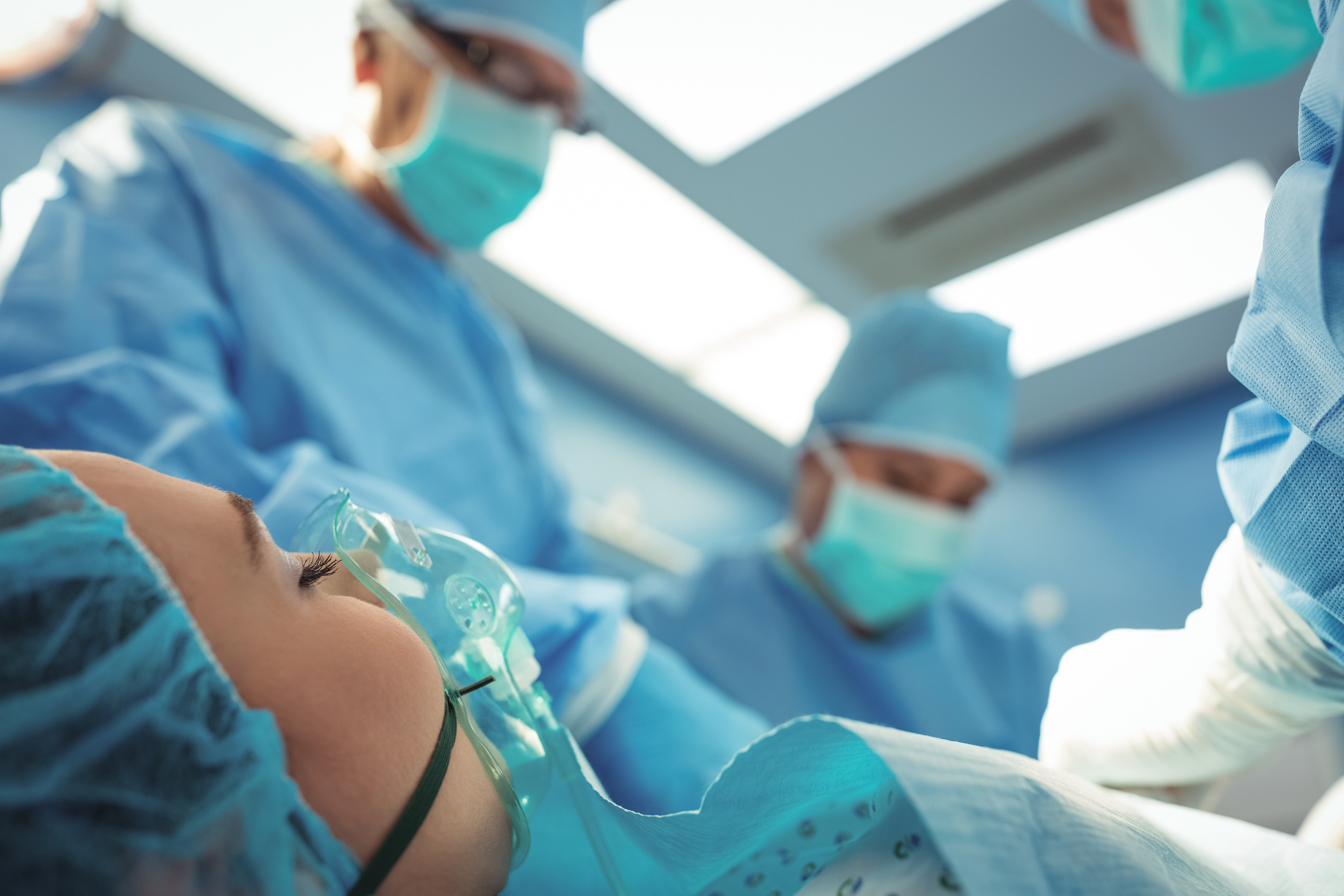
AI-powered tools, workforce crisis, and expansion of outpatient surgery are reshaping Anesthesiology today. Dr. Andrew Hummel is a board-certified anesthesiologist with over a decade of clinical leadership. He explains what the changes mean for patients getting surgery today.
Key Takeaways
- AI is improving anesthesia accuracy. But trained physicians with real operating room experience are still irreplaceable.
- A shortage of anesthesiologists is expected to impact access to healthcare in rural communities.
- Dr. Hummel is setting the future standard of anesthesia care with his perioperative philosophy and individualized planning.
Operating rooms have become different from how they were a decade ago. Equipment has become smarter, and recovery timelines have also shortened. More procedures are being carried out outside traditional hospitals. Anesthesiologists sit at the center of every case today. Their responsibilities begin even before the first incision and continue long after the last suture.
Dr. Andrew Hummel, MD, anesthesiology, has watched his medical specialty evolve for over a decade. He is a board-certified diplomate of the American Board of Anesthesiology (ABA). He is also a six-time recipient of the 417 Top Doctor Award in Anesthesiology.
Dr. Hummel owns the full surgical day, including preoperative, intraoperative, and postoperative stages. If you want to learn about the future of surgical care and the anesthesia trends in 2026, as per Dr. Hummel, then keep reading.
AI Is a Tool, Not a Replacement
Artificial intelligence (AI) is used in anesthesiology today. AI-augmented platforms are helping with pre-operative risk categorization and real-time intraoperative monitoring. AI is also being used in ultrasound-assisted guidance for regional nerve blocks. For patients, this means that their procedures won’t be cancelled due to undetected risk factors.
Anesthesia delivery has been made more consistent, and the documentation process has become faster. As a result, physicians are able to keep their attention completely on the patients.
Dr. Hummel's perspective is that AI augments anesthesiologists but doesn’t replace them. Strong judgment is needed to handle a 30-week laboring patient with severe scoliosis and a spine deemed unapproachable. Similarly, planning the safety of an 87-year-old with aortic stenosis, a pacemaker, and a fractured hip is extremely challenging. It needs proper evaluation and strong planning. Dr. Hummel has successfully managed such cases in the past.
Clinical judgement is built through years of exposure and experience. It also requires close collaboration with surgical teams. For patients, the use of AI in the operating room should be a reason for confidence. However, it should not be a reason to be less selective about who is leading the case.
Workforce Shortage Is Reshaping Access to Care
It is projected that nearly 30% of practicing anesthesiologists will leave the field by 2033. The training pipeline is unable to keep pace with the surgical demands. Burnout, retirement, and declining reimbursement rates are resulting in experienced anesthesiologists moving out of the specialty faster than new diplomates can fill the gaps.
For urban medical centers, the shortage of anesthesiologists creates operational issues. Similarly, in rural communities, including towns like Bolivar and the broader 417 region, it creates an access problem. Moreover, ambulatory surgery centers are struggling to maintain anesthesia coverage consistently. Additionally, hospitals in the underserved markets are paying significant stipends just to keep their surgical programs running.
Your procedure must be scheduled on time, your community hospital must sustain its surgical program, and a board-certified anesthesiologist like Dr. Hummel should be available when you need one. Now, is Andrew Hummel a good anesthesiologist? Yes, Dr. Hummel is someone who has built and led an anesthesiology department for nearly a decade. He is not just a good anesthesiologist. He also understands what “continuity of care” means at the ground level.
Regional Anesthesia and Opioid-Sparing Care
Your anesthesiologist is more likely to give you a nerve block instead of opioids if you are getting a joint replacement, spine procedure, or obstetric care.
Regional and neuraxial are central to Enhanced Recovery After Surgery (ERAS) protocols now. It involves peripheral nerve blocks guided by ultrasound, spinal anesthesia, and epidural approaches. The main benefit is that you will be discharged faster, experience less postoperative pain, and feel less dependent on opioids.
For patients undergoing total knee arthroplasty, Dr. Hummel uses Iovera° cryoneurolysis treatment. It is a non-opioid cold therapy approved by the Food and Drug Administration (FDA). Iovera° helps temporarily block peripheral nerve transmission before surgery, and Dr. Hummel uses it as part of his preoperative pain management approach.
The Iovera° treatment creates immediate relief that lasts for up to 90 days, is office-based, and requires no general anesthesia. Administering Iovera° is also a skill that very few anesthesiologists possess.
Outpatient Surgery Is Expanding
The continued migration of surgical cases to ambulatory surgery centers is one of the most consequential structural shifts in modern anesthesia. From orthopedic procedures and gastrointestinal cases to urological surgeries, the range of care in outpatient settings is expanding.
Waking up from anesthesia fast without Postoperative Nausea and Vomiting (PONV) is not just a clinical bonus. It is something that is essential for same-day discharge.
An anesthesiologist working in the outpatient environment must plan for quick recovery. They must do so from the very first preoperative conversation with the patient rather than when induction begins. Individualized anesthetic planning and proactive management of comorbidities are extremely important. It is also important to have a recovery protocol built around a patient who goes home hours, instead of days, after a procedure.
Dr. Hummel's perioperative philosophy, spanning pre-operative optimization through post-operative stabilization, is not a stylistic preference. It is something that modern outpatient surgical environments require.
What the Trends Mean for Patients?
The trends reshaping anesthesiology today are not just abstract industry statistics. They can determine the quality of your recovery and the continuity of the care you receive. The trends can also determine if a physician has the right training and judgment to manage your safety.
Dr. Andrew Hummel, MD, anesthesiology, brings more than a decade of experience in clinical procedures and leadership. He has ABA board, Advanced Cardiovascular Life Support (ACLS), and Pediatric Advanced Life Support (PALS) certifications.
Dr. Hummel’s perioperative approach is based on individualized planning and transparent communication with patients. That depth of preparation is a standard worth looking for in a medical specialty going through a rapid change.